
 Facebook
 X
X
 Pinterest
 Copy Link
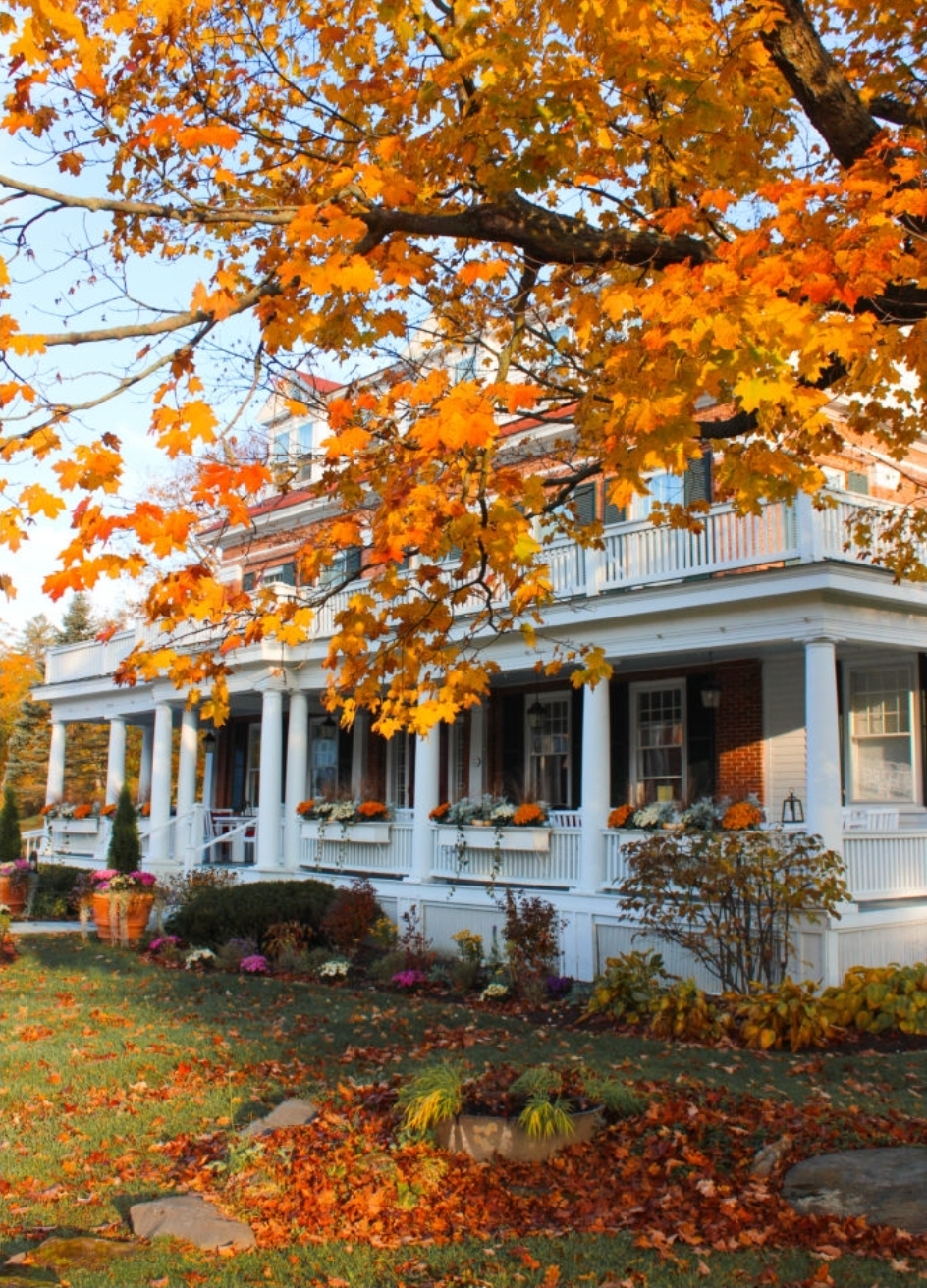
Why the price you choose may determine whether buyers ever walk through the door
By John McHugh
Your house may be beautiful. Your renovations may be spectacular. You may know exactly what you spent improving it. Here is the uncomfortable part: the buyer doesn’t care what your home is worth to you. They care what else they can buy.
While a seller is thinking about the new kitchen, hardwood floors and $50,000 spent on improvements, the buyer is remembering the house they saw yesterday—and comparing yours to three more on their phone. That’s where pricing gets interesting.
I often hear a perfectly reasonable question: “Why don’t we start a little high? We can always come down.” Because buyers may never give you the chance. If a home appears overpriced online, some buyers won’t schedule a showing. They don’t come inside. They don’t see the gorgeous kitchen. They don’t discover the backyard. They don’t fall in love. They simply click on the next house. And that’s the danger of “testing the market.”
The first few weeks are when a new listing has something it can never get back: newness. Realtor.com research published in June 2026 found that homes achieving the strongest results relative to their asking price tended to go under contract within their first two weeks. Price reductions become increasingly common as listings linger. Suddenly the buyer’s question can change from “Could this be the one?” to “Why hasn’t anyone bought it?” Even lowering the price doesn’t erase the listing’s history.
And what about that Zestimate?
Zillow itself says a Zestimate is an automated estimate—not comparative market analysis. Technology can analyze enormous amounts of data. But it hasn’t walked through your kitchen, admired your renovations or toured the house down the street that your buyer saw yesterday. That’s why market value isn’t determined by what a seller needs, spent or hopes to receive. It’s discovered through competition.
Price your home at $900,000 and buyers compare it with homes around $900,000. Push it substantially higher and you haven’t simply changed your asking price. You’ve changed your competition. Good pricing isn’t about giving your house away. It’s about getting buyers through the door—and giving the market a reason to compete for it.
Sellers know their homes better than anyone. But buyers may know the competition better than anyone. And ultimately, the buyer writes the check.
Wondering what today’s buyers might think your home is worth? Contact John McHugh, a Senior Agent with Coldwell Banker for 25 years, for a complimentary pricing and market analysis: JohnSellsNow@gmail.com | 978.902.5646 | JohnMcHughRealEstate.com.
DID YOU KNOW?
YOUR HOME MAY HELP SELL YOUR NEIGHBOR’S
If yours looks overpriced, theirs may suddenly look like a bargain.
BUYERS CAN REJECT YOUR HOME WITHOUT ENTERING IT
Price can determine whether it ever makes their showing list.
NO ACTIVITY IS STILL MARKET FEEDBACK
Silence can speak volumes about perceived value.
PRICE REDUCTIONS DON’T ERASE HISTORY
Buyers can see where your price started.
THE OPENING WEEKS MATTER
2026 research found the strongest results relative to asking price tended to occur within the first two weeks.
YOU CAN LOWER THE PRICE LATER
But you only get to introduce your home to the market once.
